
Identifying Common Backyard Birds in Canada
A species-by-species breakdown of the birds most frequently observed at Canadian feeders and garden edges — including robins, chickadees, nuthatches, and finches.
Read article →A reference resource covering common backyard species, migratory flyway corridors, and practical field equipment for birders at every level.

Articles
Each article focuses on a specific aspect of birdwatching in Canada — from species identification to gear selection and site recommendations.
A species-by-species breakdown of the birds most frequently observed at Canadian feeders and garden edges — including robins, chickadees, nuthatches, and finches.
Read article →
How the Atlantic Flyway shapes migration through eastern Canada — which species use this corridor, when they move, and where concentration points occur along the route.
Read article →
A practical breakdown of optical specifications, magnification trade-offs, and key features that affect performance in different lighting and habitat conditions.
Read article →Featured Species
A selection of species that define Canadian birdwatching across different seasons and regions.

Iconic Species
Canada's national bird symbol. Recognized by its distinctive black-and-white plumage and tremolo call. Breeds on freshwater lakes across the boreal zone from Newfoundland to British Columbia.
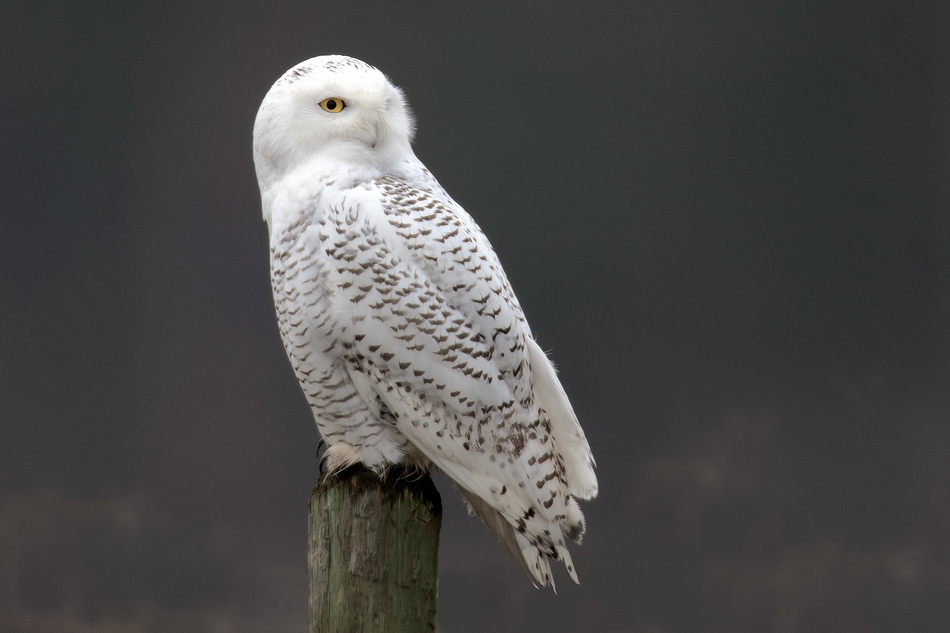
Arctic Breeder
Breeds on the Canadian tundra and irrupts southward in winter, particularly during years of low lemming availability. Open fields, airports, and agricultural land serve as key wintering habitat in southern Canada.

Raptor
A specialized fish hunter found near lakes and rivers across Canada from April through September. The osprey's reversible outer toe and spiny footpads allow it to grip slippery prey — a useful identification trait.
Birdwatching Locations
Locations with documented high bird diversity and consistent migratory activity across different seasons.

Point Pelee National Park, Ontario
Canada's southernmost point of land extends into Lake Erie and funnels migrating warblers, thrushes, and raptors during spring and fall. A primary destination for warbler observation in May.

Bonaventure Island, Quebec
Home to one of the largest Northern Gannet colonies in the world. The island in the Gulf of St. Lawrence also hosts Atlantic Puffins, Razorbills, and Black-legged Kittiwakes during the breeding season.

Wood Buffalo National Park, Alberta/NWT
The only wild nesting area for Whooping Cranes in the world. The park's extensive wetlands and bogs support breeding pairs from late April through July before the birds migrate south to Texas.
Additional Species

Frugivore
Present across Canada from spring through fall. Often observed in flocks stripping berry-producing shrubs and trees. The waxy red wing tips that give the species its name are more pronounced in older individuals.

Summer Visitor
The only hummingbird species that breeds in eastern Canada. Arrives in late April and departs by September, fueling for a non-stop crossing of the Gulf of Mexico during southbound migration.